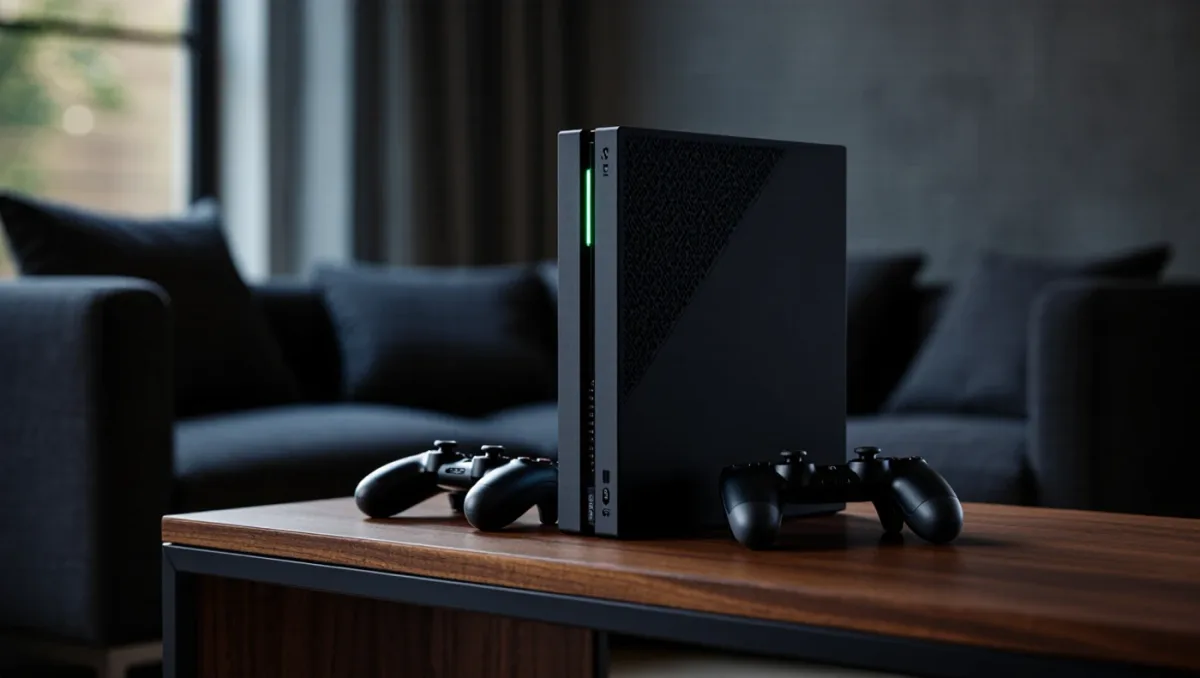
For years the value case for an Xbox Series X was simple: $499 for the console per Microsoft's launch pricing, then $15 to $20 a month for a catalog that included every first-party game on day one. That equation changed on October 1, 2025, when Microsoft raised Game Pass Ultimate to $29.99 per month — a 50 percent increase the company announced alongside a restructure of its tiers, per its official announcement. The subscription is no longer an automatic yes. It is now a purchase that needs to be defended with arithmetic, and that arithmetic depends almost entirely on what kind of player you are.
What exactly did the October 2025 price change do?
Per Microsoft's announcement, Game Pass Ultimate rose from $19.99 to $29.99 per month, while the PC Game Pass tier moved to $16.49. The company also repositioned the tiers: Ultimate remains the only plan that includes day-one first-party releases, Xbox Cloud Gaming, and EA Play, while a new Xbox Game Pass Premium tier sits below it with the classic catalog but without day-one access. New subscribers felt the change immediately; existing Ultimate subscribers had their increase deferred until their next billing cycle after the year-end period. The upshot: the ceiling price of the ecosystem is now $359.88 a year for the subscription alone, before the console.
What does the Series X itself cost to own?
The Series X launched at $499.99 in November 2020 and has drifted upward since: Microsoft announced a price increase to $599.99 in May 2025, citing tariffs and market conditions per its public statement. That matters for the value math in two ways. First, the console is no longer the cheap half of the bundle. Second, it strengthens the relative case for the Series S at $379.99 after its own 2025 adjustment — but the Series S is a compromise box, capped by its 512 GB or 1 TB storage and lower output targets, which we cover separately.
How many games must you play for Game Pass Ultimate to pay off?
Work it forward from price. At $29.99 per month, a year of Ultimate costs $359.88. A full-priced first-party game — the launch price for titles like Call of Duty: Black Ops 7 or the next Forza — runs about $69.99, sometimes $79.99 for premium editions. If you buy four to five full-price games a year and even two are Microsoft first-party releases available on the service at launch, Ultimate's catalog plus day-one access covers its own cost. If you buy one or two games a year and play them for a hundred hours each, the subscription is pure loss: you would pay $359.88 for what $140 of purchases would have covered.
Does the day-one advantage still matter?
It is the strongest remaining argument, and Microsoft has kept it intact. First-party titles — the Xbox Game Studios and Activision Blizzard catalog — appear in Ultimate on release day at no extra charge, which per Microsoft's published policy remains exclusive to the top tier. For a household that plays every Call of Duty, Elder Scrolls or Forza at launch, the math above flips decisively toward subscribing. For everyone else, the October 2025 restructure quietly changed the answer: the Premium tier at $14.99 is now the rational home for catalog players who can wait a few weeks for first-party games.
What about cloud gaming and the TV-only option?
Ultimate includes Xbox Cloud Gaming, which lets a phone, tablet, browser or supported TV stream games without a console at all. Microsoft has leaned into this as a device-free pitch, and in 2025 it began letting subscribers stream some titles they own rather than only catalog games. Honest caveat: cloud quality depends entirely on your connection and region, and competitive multiplayer over a streamed link adds input lag no router setting removes. Cloud is a supplement to a Series X, not a replacement for it in most homes.
Should you buy discs or digital?
The Series X includes a 4K Blu-ray drive, and it is worth using. Physical new releases routinely fall 30 to 50 percent in price within months — a $69.99 game is commonly $34.99 by its first seasonal sale — and used discs resell. If you run Ultimate, a practical hybrid exists: subscribe for the months a day-one release lands, lapse during catalog droughts, and buy third-party games on disc at sale prices. The digital-only Series X from 2024 removes this option at the same $549.99 launch price, one of the strangest value propositions in Microsoft's lineup.
What should a careful buyer do right now?
Three practical moves. Check Xbox's own deals: Microsoft frequently discounts Ultimate through annual conversion promos, where existing prepaid months convert to Ultimate at a favorable rate, and stacked prepaid time bought before a price change stays honored at its old rate per Microsoft's terms. Watch the release calendar: the subscription earns its keep in months with a day-one first-party launch, so a subscribe-and-lapse rhythm beats a standing monthly charge. And audit your actual playtime in the Xbox app's history — most people overestimate how many new games they finish a year, and that number, not any marketing claim, decides whether $29.99 a month is a bargain or a drain.
Verdict: who should still buy this combination?
Buy the Series X with Ultimate if your household plays at least four to five full-price games a year, including first-party titles at launch — the subscription then costs less than those games and the console is the best-built box on the market. Choose Premium if you want the catalog but can tolerate waiting. Drop the subscription entirely and buy discs on sale if you play few games deeply. The October 2025 pricing did not kill Game Pass; it ended the era where nobody had to think about it.