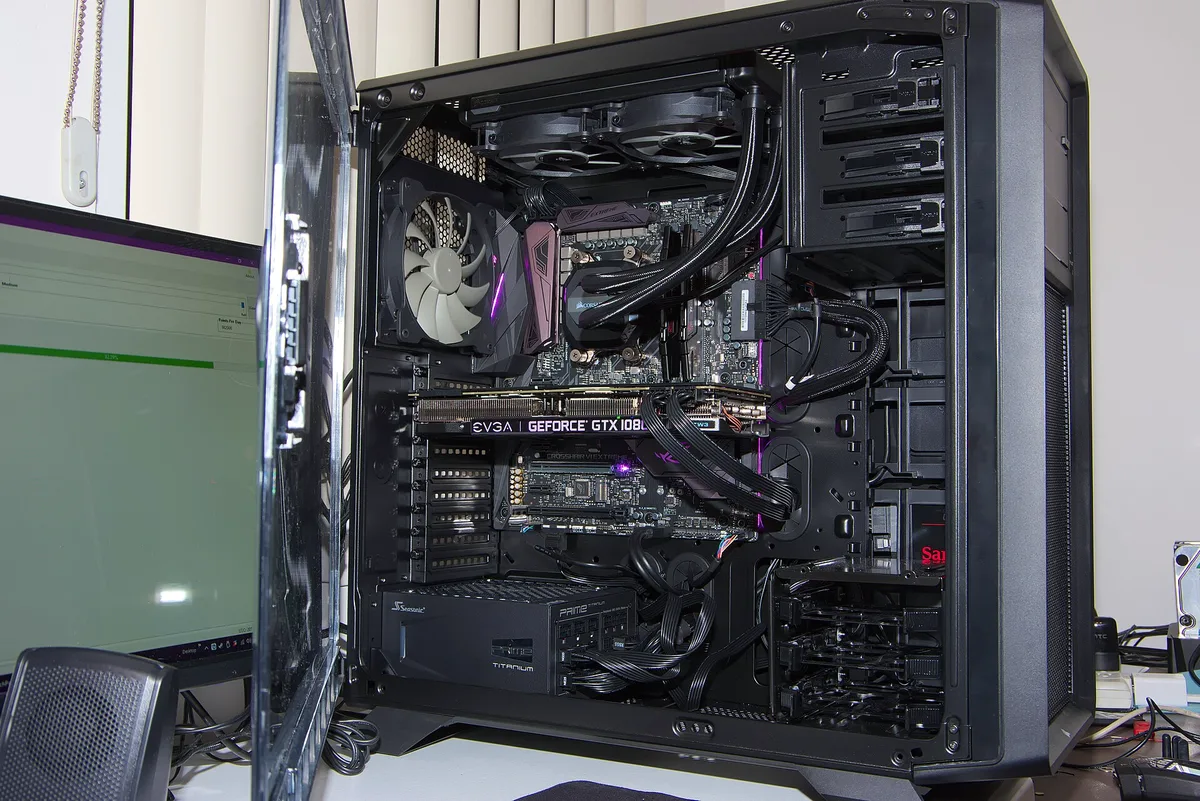
HardwareRGB, Fans, and Cable Chaos: Building a Clean Gaming Rig
Airflow first, cables second, lighting last — a practical order of operations for a first build that looks as good as it runs.
GPUs, peripherals, monitors, and storage for gamers, with specs, real performance, and value.
Airflow first, cables second, lighting last — a practical order of operations for a first build that looks as good as it runs.
High-end gamepads now advertise 1,000 Hz polling — measured in milliseconds what that buys, which games notice, and where the number is decoration.
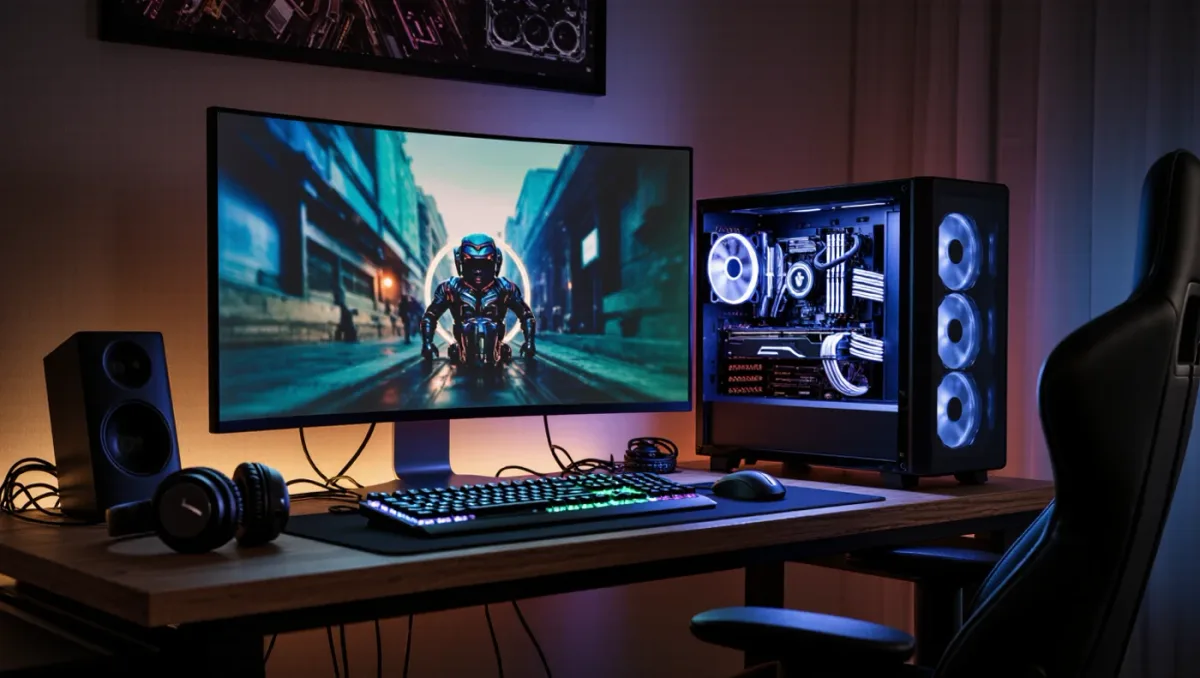
The 4K 144 monitor is the default high-end pick — but between GPU requirements, panel tradeoffs and console realities, most buyers overbuy or underbuy.
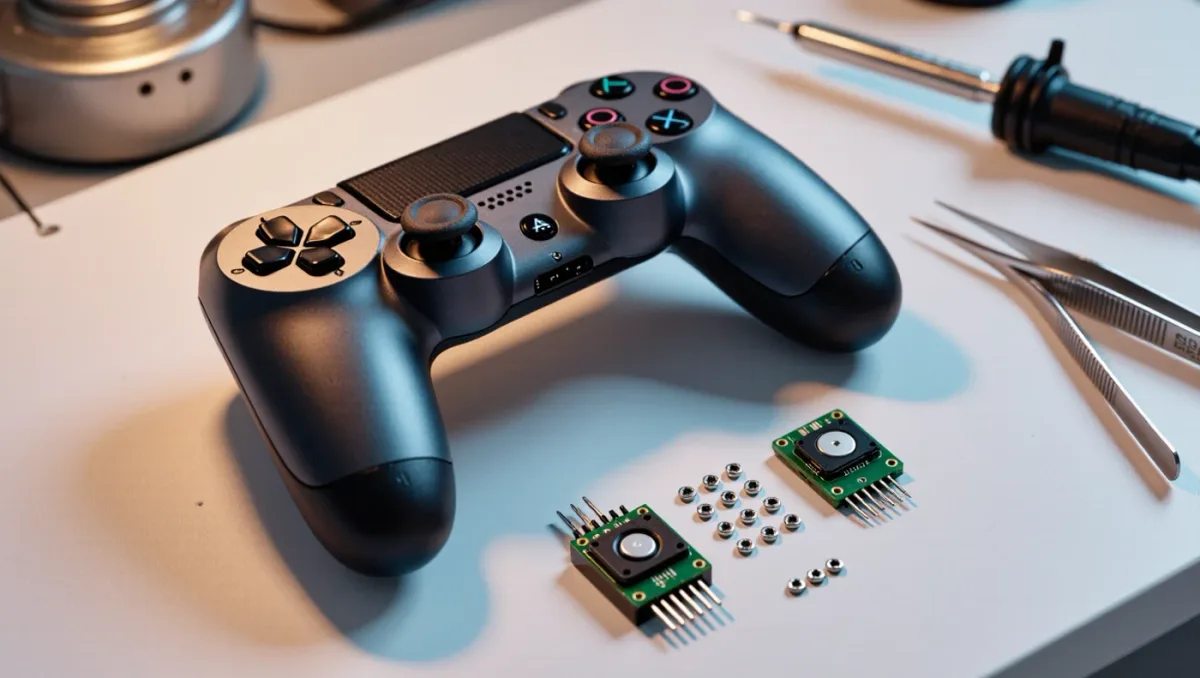
Magnetic sensors replaced wear-prone potentiometers in a wave of controllers — how the technology works, what it costs, and where it still falls short.
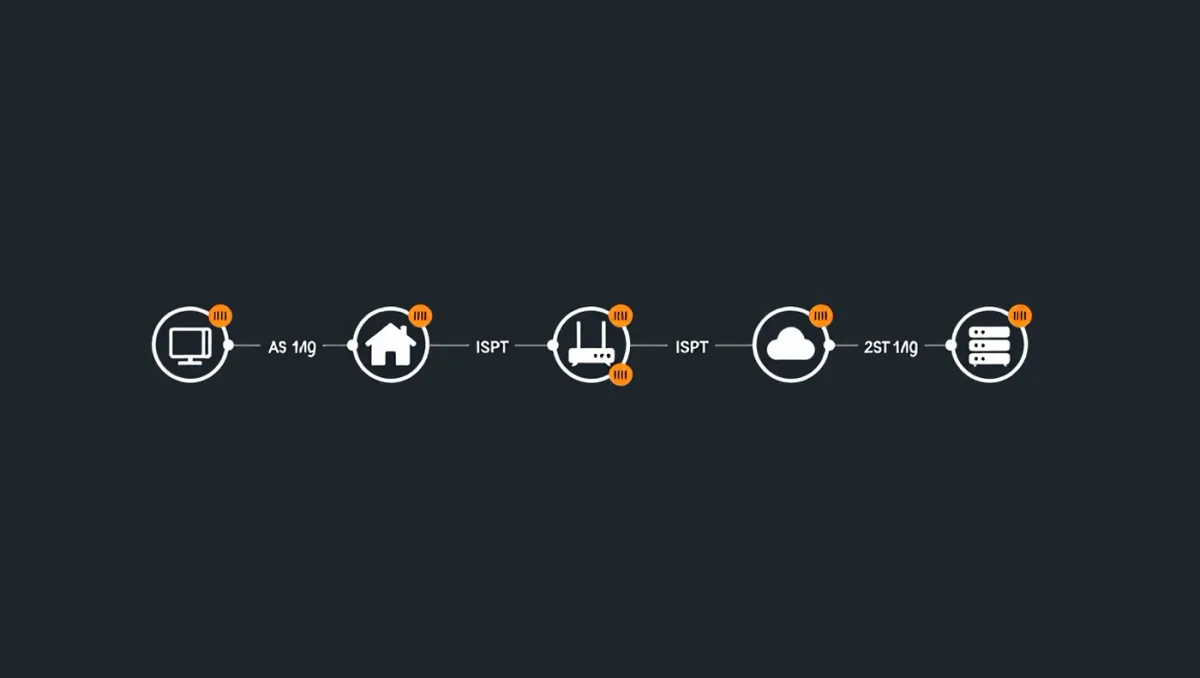
Latency is mostly physics and queues — which is why the fixes that work are free: wired connections, QoS tuning, DNS reality checks and router placement.
OLED's perfect blacks come with an aging mechanism LCDs lack — what the warranties, the mitigation tech and the long-term tests actually show.