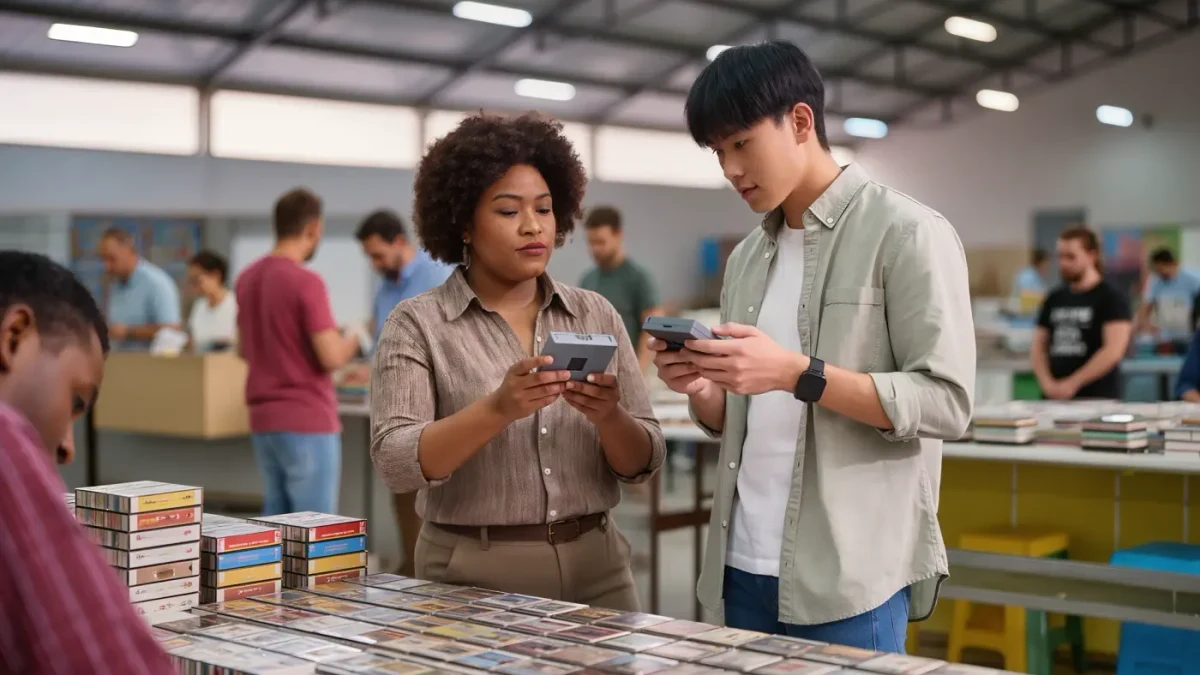
In 2017 a sealed Super Mario Bros. cartridge in top condition traded in the low tens of thousands of dollars at retail. In July 2021, an authenticated copy graded by Wata Games sold at Heritage Auctions for $2 million. By 2024, comparable peak-era lots were reselling privately for a fraction of their hammer prices. No other collecting hobby has compressed a full asset bubble, from infrastructure to mania to correction, into fewer than eight years — and the mechanics of how it happened are now case-study material for anyone collecting anything.
What did Wata actually change about the market?
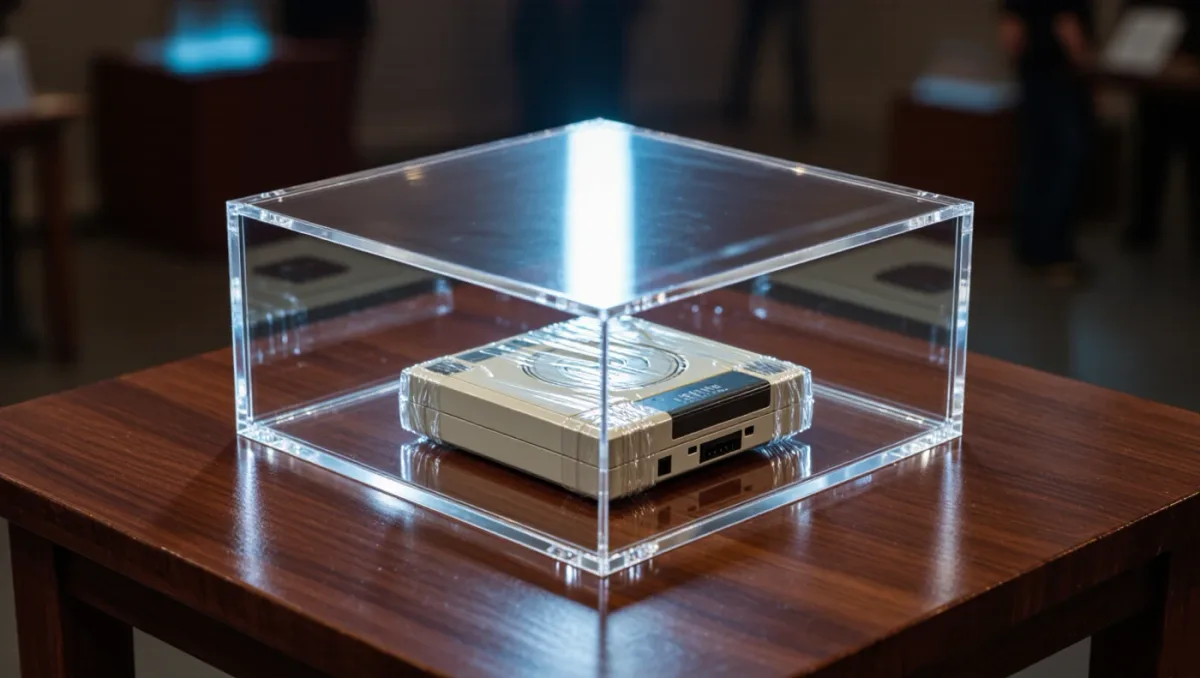
Before 2017, sealed games had no standardized condition language. Collectors graded by eye and reputation, and prices reflected that informality. Wata Games, founded in 2017 in Denver, imported the comic-book grading model: professional assessment of box, seal, and contents condition, an aggregate score up to 10 with plus and gold-variant suffixes, and tamper-evident sealed slabs with the grade on the label.
The effects were mechanical. A number on a label made sealed games legible to non-collectors — investors, auction houses, financial media. Heritage Auctions' video game department grew around Wata-certified lots, and headline sales escalated: record prices fell repeatedly from 2019 through 2021, with the $2 million Super Mario Bros. sale, per Heritage's public results, as the peak moment. Grading submissions surged; Wata's fees ran from roughly $20 for slow-turnaround common games to well over $100 for expedited service on high-value titles, per the company's published price schedules.
How does the grading process actually work?
Worth understanding before any submission: a grader assigns separate scores for the box, the seal or cart, and sometimes the contents, then applies an overall grade with modifiers for seal quality — a 'W' seal grade and gold-variant suffixes denote exceptional cases. Encapsulation uses an acrylic case with an ultrasonic weld and a label carrying the scores; opening the case voids the grade's marketplace meaning. Turnaround ranged from weeks to over a year during submission surges, which is part of the fee story: expedited tiers exist precisely because the standard queue became untradeable during the boom. Competitive grading from PSA, which built its business on cards and comics, entered the category as volumes grew, and today most major slab services accept video games — a matured market whose price lists are worth checking against each other before any submission decision.
Why did the boom become a bubble?
Three forces stacked. First, genuine scarcity messaging: sealed copies of early Nintendo titles have small surviving populations, and every opened copy removes one permanently. Second, speculative inflow: from 2020 through 2021, pandemic liquidity and financial-media coverage drew buyers who treated slabbed games like equities, bidding on provenance narratives rather than play value. Third, a documentation controversy: independent investigator Karl Jobst published detailed examinations, beginning in 2021, alleging coordinated promotion between grading and auction interests — including undisclosed relationships between a Wata-linked collector and Heritage listings — claims the parties disputed and that Jobst documented across multiple videos. Whatever the legal resolution, the community's trust repriced immediately.
The correction followed the standard bubble script: marquee lots stopped meeting reserves in 2022-2023, resales of peak purchases surfaced at steep losses, and grading volumes normalized. Collector consensus, visible across r/gamecollecting and PriceCharting's sealed-price tracks, is that the slab segment corrected while loose and complete-in-box prices for playable games moved far less — exactly what you would expect if the mania was financial, not play-driven.
Does grading have legitimate uses in 2026?
Yes, but narrower than the boom suggested:
- Authentication of high-value sealed games. Seal resealing and reproduction packaging are real risks at four-figure prices; a trusted authenticator earns its fee where forgery risk exists.
- Provenance anchoring for estates and insurance. A slabbed, documented collection simplifies appraisal and transfer, a genuine service the pre-2017 market lacked.
- Long-horizon museum-quality preservation. For a handful of historically significant copies, encapsulation is defensible as end-state curation.
What grading does not do is improve a game, guarantee its future price, or verify function — a graded cartridge's contents are whatever they were at sealing, unread and untested. And the fee math remains unforgiving: between grading tiers, shipping both ways and turnaround time, a submission typically consumes several hundred dollars before a single dollar of value is added.
How should a collector treat graded games now?
- Buy graded only when the slab is the point — display, insurance, completion of a sealed run — and price it against recent completed sales, not peak-era headlines.
- Prefer sealed copies unslabbed for value plays, since grading is now a known cost with uncertain return; an ungraded verified-sealed copy retains optionality.
- Keep play money in loose and complete copies. The corrected market's most stable segment remains games people actually play, which is where new collectors should learn price behavior before touching slabs.
One more data habit worth adopting: separate the sealed trend line from the loose trend line when you research any title. The correction made the divergence visible — on many marquee NES titles, sealed tracks fell 50 percent or more from peak while loose tracks moved within a normal band — and that spread is the clearest single indicator of whether a price is set by players or by speculators. When the two lines move together, demand is broad; when only the sealed line climbs, you are watching a financial trade borrowed against the hobby's nostalgia.
Verdict: the grading economy gave retro collecting professional infrastructure — authentication, standardized condition language, auction legitimacy — and then demonstrated, in a $2 million act and a brutal unwind, the difference between a collectible and an asset. Treat slabs as authentication services with an option attached, not as investments; the hobby's real economy, the one that survived the correction, is still built on people who open the box.