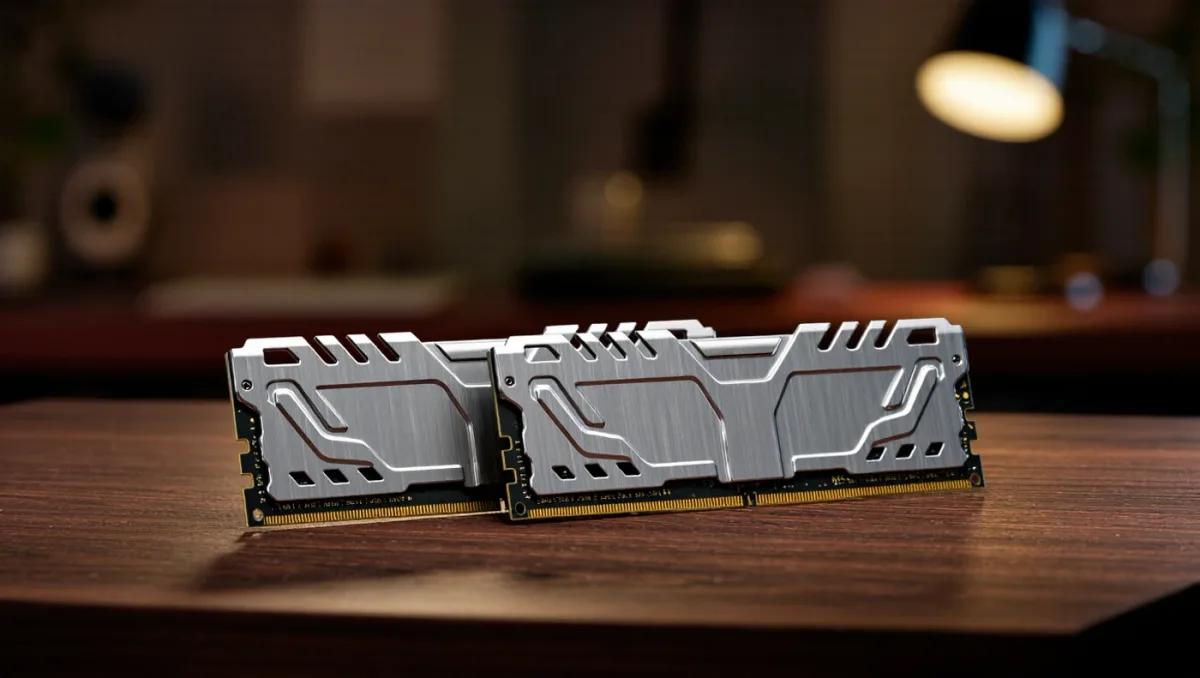
PC building just got dramatically more expensive. PCPartPicker price tracking, reported by TechPowerUp, shows DDR5 memory kit prices up nearly 500% over the past twelve months — from a 372% increase on 2x16GB DDR5-4800 kits to 485% on 2x32GB kits. It is a record surge for a core PC component, and it lands squarely on gamers planning 2026 builds.
What the numbers actually say
The tracking covers the twelve months through late January 2026. Entry-level DDR5-4800 2x16GB kits — the budget baseline for any AM5 or LGA1851 build — are up 372%, while the 2x32GB kits most gamers actually want for modern titles are up 485%. A separate market report put the broader DRAM contract price surge at roughly 170% in a single period late last year. In plain terms: a kit that cost $90 in early 2025 now costs several times that.
Why RAM got this expensive
The shortage traces to AI datacenter demand. Hyperscale buyers are consuming DRAM and NAND fab capacity for HBM and server memory, and memory makers have shifted production lines accordingly. Per IEEE Spectrum's shortage coverage, consumer DRAM supply has been diverted at scale, and Team Group's general manager warned publicly that DRAM and NAND prices doubled in a single month — adding that the crisis, in his words, had only just started.
What it means for your build
Three practical consequences. First, budget accordingly: memory is no longer the cheapest line item in a new PC. Second, if you already own DDR5, keep it — existing kits are effectively an asset now, and a platform that lets you carry RAM forward (AM5's promised support through 2029) has quietly become more valuable. Third, expect the pain to spread: prebuilt pricing and even console pricing are exposed to the same DRAM and NAND costs.
When does it end?
Analysts do not see relief soon. IDC has warned that rising DRAM and NAND costs will pressure PC and smartphone pricing and specifications through 2026, and industry voices point to datacenter capacity contracts playing out over roughly a year before consumer supply normalizes. What to watch next: Q1 earnings calls from the major memory makers — the first sign of consumer DRAM capacity returning, or of more hikes on top of a 500% climb.