GeForce supply is about to get tighter. Per a Board Channels report carried by TechPowerUp, Nvidia plans to cut RTX 50-series production in early 2026, with first-half supply potentially down 30-40% compared with the same period in 2025. The report circulated through the channel in the opening months of the year, and by March its effects are visible on street pricing and stock levels.
Why Nvidia is cutting gaming supply
The cause is memory, not demand. GDDR and DRAM prices have surged as AI datacenter buyers absorb fab capacity, and every GeForce card is a bundle of memory the market now values more inside a server. Per the Board Channels reporting, production of the RTX 5070 Ti and the RTX 5070/5060 Ti tier is expected to be cut first — the volume segments where memory cost bites hardest per dollar of card.
The 2026 cadence question
The production cut sits alongside a second report, citing The Information, that Nvidia may skip releasing new gaming GPUs entirely in 2026 to prioritize AI chip production. CES 2026 already passed with no new GeForce silicon — the first such January in five years — and no Super refresh has been announced. Taken together, the messaging points to an unusually static year for desktop GeForce: fewer cards in production, and no new ones above them.
What prices do from here
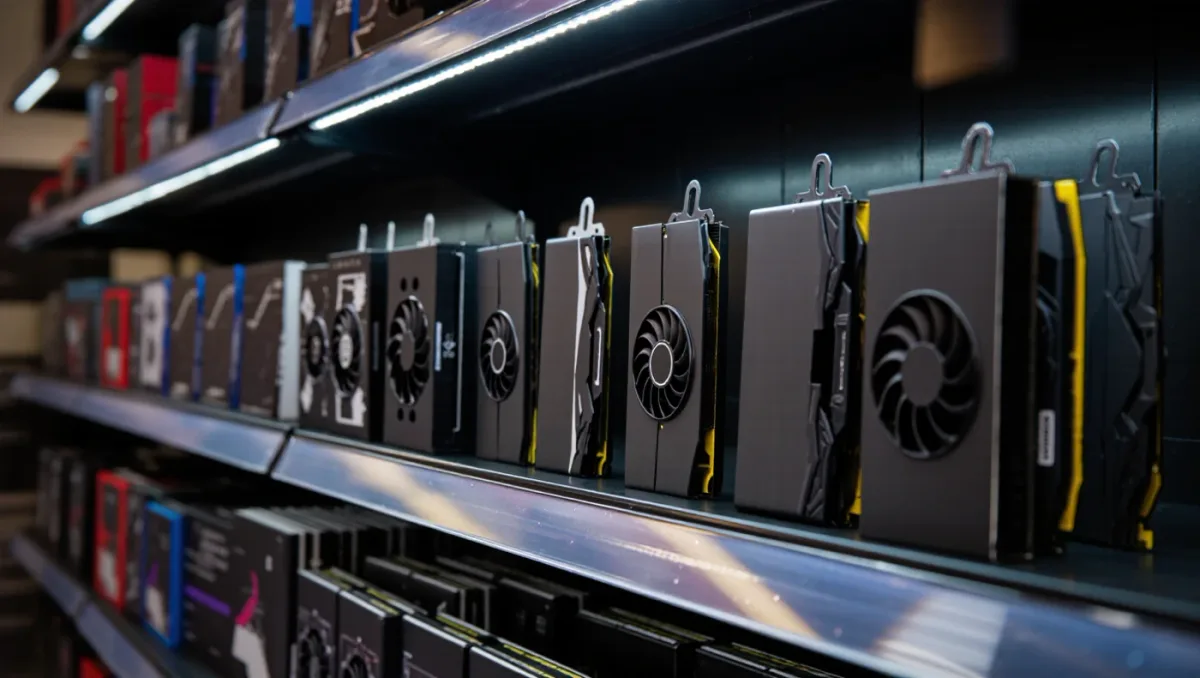
Basic supply math applies. With H1 2026 supply down as much as 40% and launch-year demand still healthy, MSRP becomes a rumor rather than a rule at retail; partner cards above list price and empty mid-tier shelves are the expected pattern through spring. Channel chatter about specific volume SKUs disappearing for extended stretches has already started, but nothing at that level is confirmed and should be treated as rumor, not fact.
Should you buy now or wait?
If you need a GPU in the first half of 2026, waiting has a poor track record: the hoped-for Super refresh has been officially quashed, and supply is contractually shrinking rather than expanding. Buy the best available RTX 50 card at the best current price, and treat any sub-MSRP find as an exception worth taking immediately. What to watch next: partner SKU restock cadence through Q2 and any Nvidia statement revising the gaming production split.