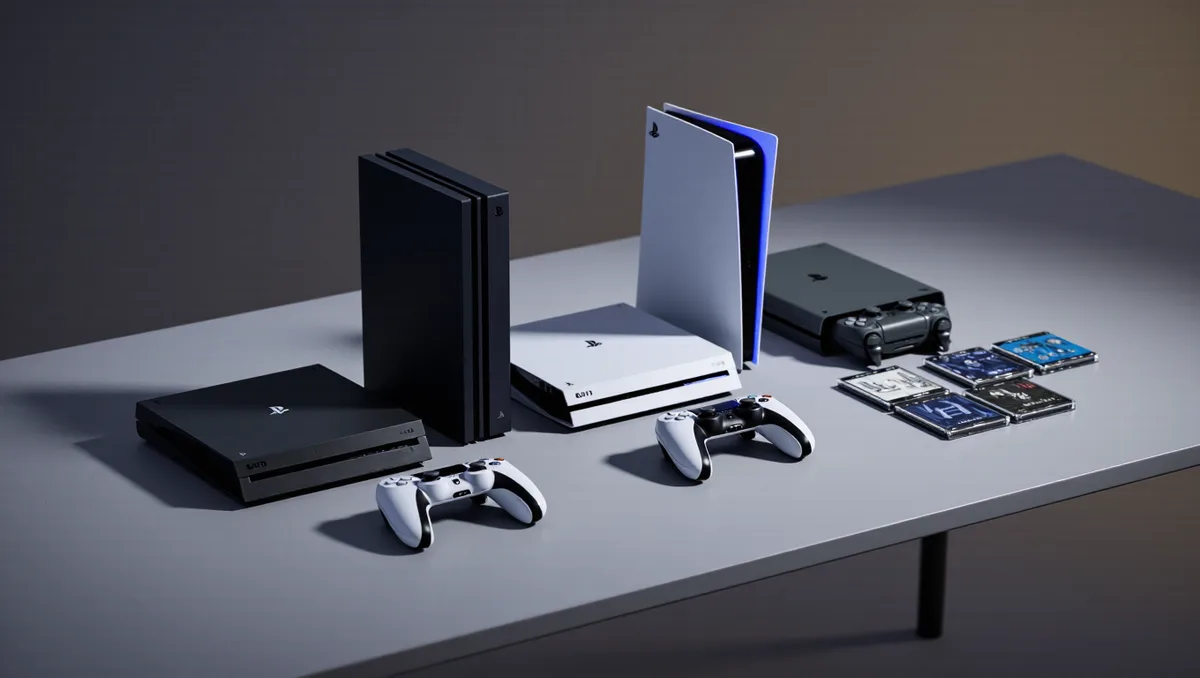
Most consoles do not need a separate insurance policy. A standard homeowners or renters policy usually covers a console as personal property, so the real question is whether that coverage fits how you actually use the machine. Dedicated gadget coverage exists for people whose policy leaves gaps: high deductibles, weak accidental-damage protection, or a console that travels.
The catch is that neither option is free of fine print. Homeowners and renters policies often carry deductibles high enough to swallow the value of a console outright, and some insurers treat claims on portable electronics differently from claims on furniture. Dedicated gadget policies flip that trade: smaller deductibles and broader damage coverage, in exchange for another recurring bill. Which one makes sense depends on your policy documents, not on a general rule.
What does a policy actually do for you? It is worth starting from the plain meaning of the verb. According to Cambridge Dictionary, to "do" something is to perform an act or carry out a role — and insurance performs a role only for the specific perils it names. A policy that covers fire and theft does nothing for a console that fell off a shelf. Reading the named perils is the whole job.
What does a homeowners or renters policy cover?
A homeowners or renters policy typically treats a console as personal property, the same category as a television or a laptop. That means the perils that apply to your other belongings generally apply to the console too: fire, theft, certain water damage, and similar named events. If a house fire takes the whole setup, the policy is the right place to claim.
The weaknesses show up in three places. First, the deductible: if the amount you pay before coverage kicks in is close to or above the console's replacement value, a claim gains you little or nothing. Second, accidental damage is often excluded or limited — a dropped console or a spilled drink is frequently not a named peril. Third, insurers may apply special sub-limits to electronics, capping what they pay for that category regardless of what the console is worth.
There is also a practical consideration people skip: claiming matters beyond the payout. A claim on a small item sits on your claim history, and some insurers weigh that history when they price or renew a policy. Losing a console and gaining a premium increase can be a bad trade. Whether that applies to you depends on your insurer's rules, which is a question to ask before you need the answer.
What does dedicated gadget coverage actually offer?
Standalone gadget policies are built around the failure modes a general policy handles badly. They typically cover accidental damage as a core feature, not an afterthought. They usually carry lower deductibles than a home policy, sized for electronics rather than for the whole house. And many cover the device anywhere — a handheld in a backpack is covered the same as a console under the TV.
The costs vary by device value, term length, and what the policy includes, so no single figure is honest to quote here. What you can evaluate without a quote is the structure. Check four things against any gadget policy you are offered: whether accidental damage is included or sold as an add-on; the deductible per claim; whether the payout is replacement cost or depreciated value; and whether there is a limit on claims over the policy term.
Watch the depreciation clause closely. Some policies pay what a used device is worth, not what a new one costs. On a console that is several years into its life, a depreciated payout can be a fraction of the replacement price. The mechanics respect your time or they don't — and a payout clause that quietly halves the value does not.
How do the two options compare side by side?
| Factor | Home / renters policy | Dedicated gadget policy |
|---|---|---|
| Accidental damage | Often excluded or limited | Usually a core feature |
| Deductible size | Set for the whole household, often high relative to a console | Sized per device, usually lower |
| Portability | Coverage follows the home; away-from-home terms vary | Typically covers the device anywhere |
| Claim history impact | Counts against the household policy | Separate policy; terms vary by provider |
| Payout basis | Varies; sub-limits on electronics possible | Check replacement vs. depreciated value |
What this means in practice: the home policy is the right tool for catastrophic, whole-household events. The gadget policy is the right tool for the ordinary, clumsy, one-device event. If your deductible is low and accidental damage is covered, you may already have what you need. If it is not, the comparison above is the checklist to run.
When is a separate policy worth it — and when is it not?
Worth considering: a flagship console at a high price point, a household with a high deductible, a handheld that leaves the house regularly, or a renter whose policy excludes electronics. Also consider the manufacturer route first. Extended protection plans sold by the platform or retailer at purchase sometimes cover hardware failure for a fixed term, which overlaps with — but is not the same as — insurance against accidents and theft. Check what any extended plan covers before buying a policy that duplicates it.
Not worth it: an older console whose replacement cost is small, a household policy that already covers accidental damage at a reasonable deductible, or a machine that never leaves a secured room and faces mainly failure risks the manufacturer warranty already handles. Insurance is priced against risk; paying recurring money to protect a small, low-risk asset is the losing side of that math.
One more gap people forget: software, saves, and subscriptions. No hardware policy replaces your digital library or your save data. Cloud saves and account security do more for your real exposure than any gadget rider. For the setup side of the equation — where the console physically sits and what else is at risk around it — our room-by-room guide to The Best Furniture for Your Gaming Console Setup, Room by Room covers the physical layout decisions that prevent the damage in the first place. We covered a connected angle in The Best Furniture for Your Gaming Console Setup, Room by Room.
Practical steps before you buy anything
- Read your current policy's personal-property section. Note the deductible, whether accidental damage is covered, and any sub-limit on electronics.
- Price the console's current replacement cost, not what you paid for it.
- Check any extended protection plan already attached to the purchase, and what term is left on it.
- If a gadget policy still looks useful, get quotes and compare the four structural points: damage coverage, deductible, payout basis, and claim limits.
- Ask each insurer directly how a claim affects future pricing. Get the answer in writing.
None of these steps requires a policy purchase. Most people will finish step two and discover the case for separate coverage is thin. That is a valid outcome, and usually the correct one.
Where the evidence leaves the question
The evidence supports a narrow conclusion: consoles are generally insurable under existing home policies as personal property, and dedicated gadget coverage is a structural alternative for gaps in accidental damage, deductibles, and portability — not a default purchase. What no general explainer can settle is your own policy's numbers. Those live in your documents and your insurer's answers. Read them before you decide, and treat any pitch that skips the deductible conversation as a pitch, not advice. If you are still choosing the machine itself, our How to Choose a Gaming Console: A Buyer's Guide covers the value side of that decision, and the wider consoles section tracks price moves and platform changes as they land.