The Ace Attorney games are set in Japan, except they are not. When Capcom localized the series for the West in 2001, the team relocated its fictional Tokyo to Los Angeles and swapped ramen bowls for hamburgers, Japanese names for American ones, while leaving the art, the architecture and every character visibly Japanese. Players got a Los Angeles where everyone is called Franziska and eats traditional Japanese lunch boxes. The choice looks absurd and was, by every commercial measure, correct: the games' wordplay-heavy humor survived because it was rebuilt rather than converted.
That gap — between converting words and rebuilding an experience — is the entire discipline of game localization, and it explains most of the arguments players have about their favorite imported games.
What does translation handle, and where does it break?
Translation carries the literal text: dialogue, menus, item names, plot. It is essential and insufficient, because games lean on wordplay in ways books rarely do. Puns in names, honorifics that encode relationships, jokes that rhyme with a character's catchphrase — none of these survive a faithful conversion. Final Fantasy VI's 1994 US script, written under Ted Woolsey within severe cartridge space limits, famously compressed and reinvented rather than translated, and its replacements — Kefka's theatrical menace, the opera scene's reworked lyrics — became the version a generation remembers.
The structural difference from book translation is interactivity. A novel's wordplay can be footnoted; a game's pun sits in a menu the player clicks, a tutorial the player must understand, an item name the player hears hundreds of times. Functional text must work as interface first and literature second.
What does localization add on top?
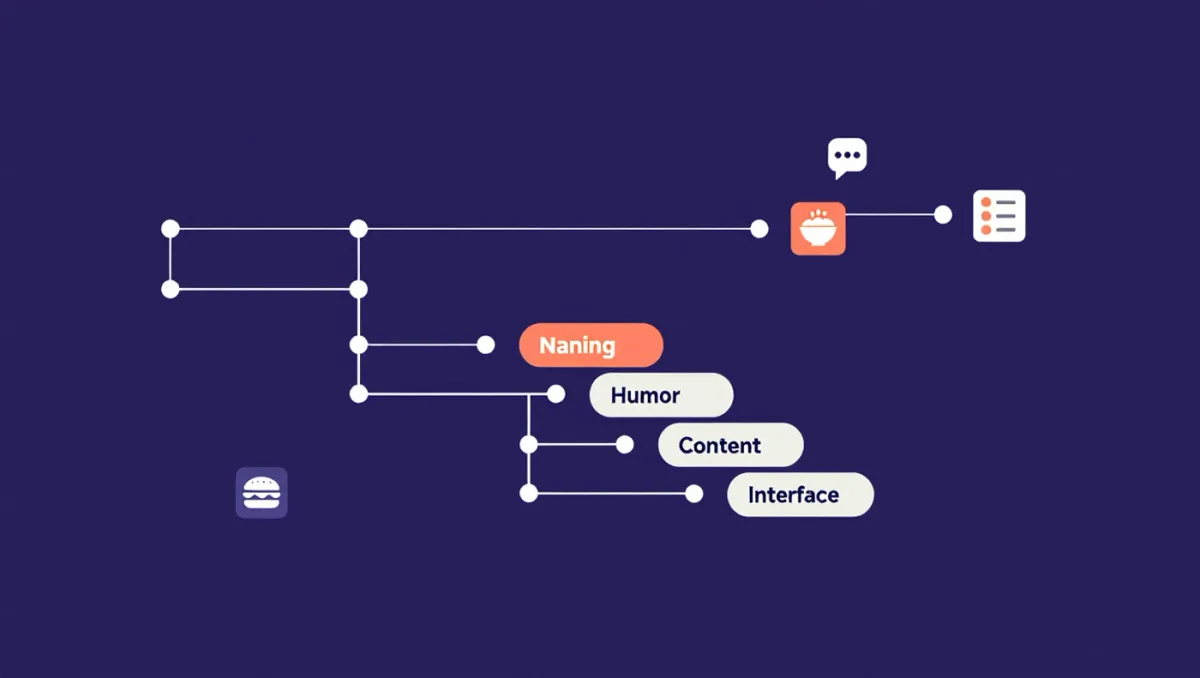
Localization adapts the game's whole cultural surface, with a checklist that has grown remarkably consistent across the industry:
- Names and identity. Ace Attorney's full-cast renaming; Pokemon's localized creature names, where the 1990s anime's 'Pikachu' stayed global but hundreds of others were rebuilt around English wordplay.
- Humor and register. The Yakuza / Like a Dragon series' localization rebuilds entire comedy beats — its punning enka lyrics and manzai-style banter have no literal equivalent, so writers reconstruct jokes at the same rhythm.
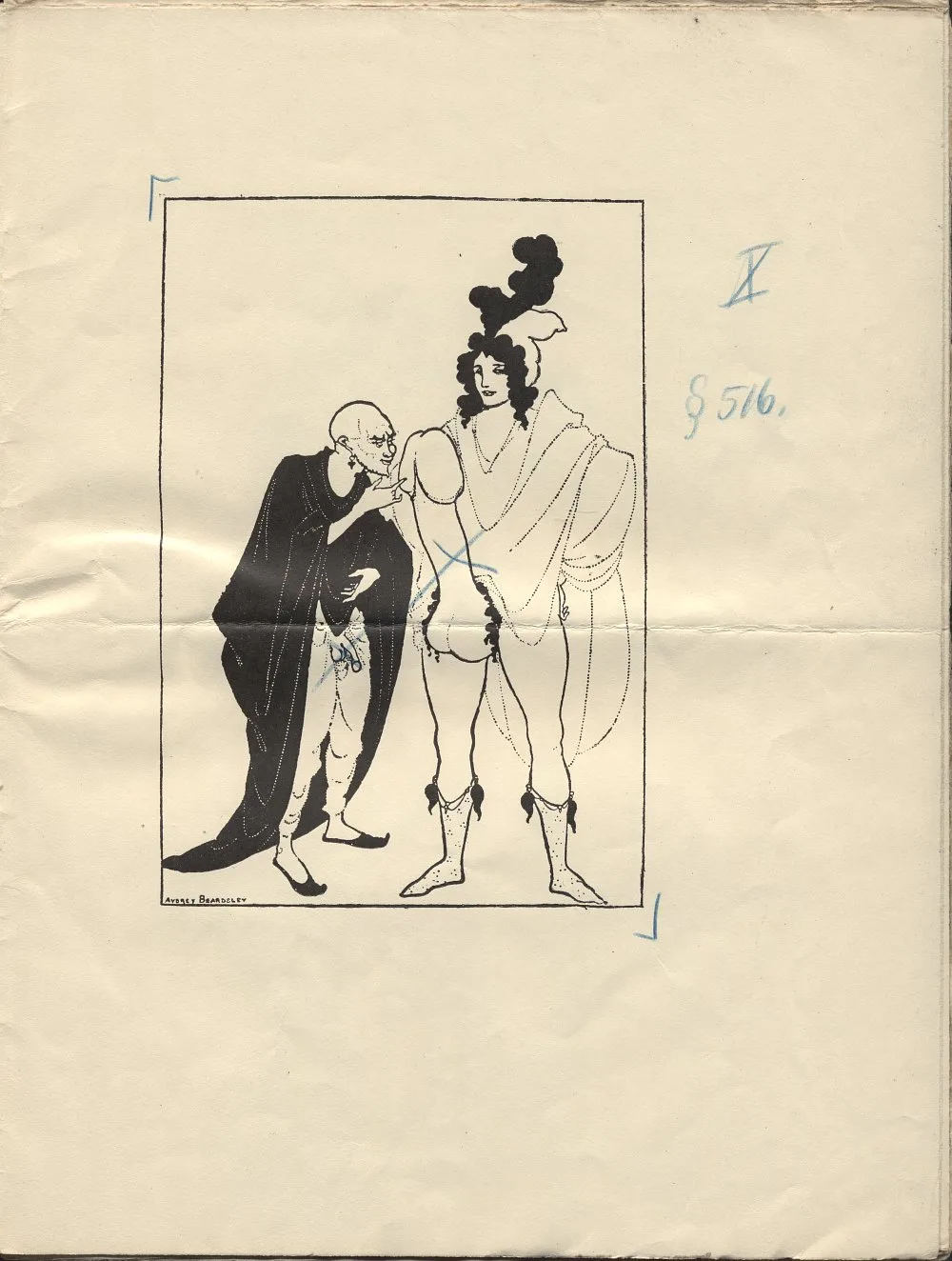
- Content and ratings. Censorship history runs from Nintendo of America's 1990s content guidelines, which stripped religious references and gore across the era, to modern ratings-driven edits. The 2016 Fire Emblem Fates controversy — where romantic conversation scenes were rewritten rather than removed, and the change sparked a week-long backlash — remains the case study in how localization choices are now judged publicly, in real time.
- Mechanical text. Tutorials, difficulty labels, legal lines, store descriptions — the invisible layer that determines whether a translated game is comprehensible.
Who decides how far to go — and has that changed?
The industry's center of gravity has shifted toward faithfulness over the last two decades. The 1990s model — wholesale rewriting for a presumed young American audience — gave way through the 2000s to the 'honoric' era, where fans demanded Japanese names, intact cultural references and subtitle tracks. Publishers learned that the audience for a faithful version exists: Nier's 2010 English localization, which rebuilt its script with location-specific jokes and a metafictional ending difference, and Persona 5's 2017 release, which preserved its untranslatable school-culture texture and sold over three million copies worldwide in its first year, both demonstrated that adaptation and respect are not opposites.
The modern fight is therefore not whether to localize but how transparently. Simultaneous worldwide launches — now standard for major Japanese releases — compress localization timelines to zero-margin, which is why day-one patches increasingly carry text fixes, and why the profession's translator and localization-director credits have finally become visible in game menus. The 2020s fandom culture treats localization staff as public figures, for credit and for blame alike.
The economics behind those choices are worth naming because they explain most timeline pressure. A translated script for a 100-hour RPG can run past a million words — novel length — yet localization budgets are routinely a rounding error next to art and engineering, and text sign-off sits at the end of development where schedules are tightest. That squeeze is why legacy re-releases sometimes ship with decade-old translations untouched, why smaller studios increasingly release with partial language support and patch the rest, and why the localization director's real job is as much editorial diplomacy as writing: adjudicating between the dev team's intent, the ratings board's constraints and the fandom's microscope, usually in the same week.
Which version should you play?
- Default to the official localization. Modern releases are built for it, and the craft level is higher than the discourse suggests.
- Compare versions for specific games where the discourse flags real differences — Fire Emblem Fates, Tokyo Mirage Sessions, and various 1990s Nintendo localizations have documented gaps worth knowing about before you choose a fan re-translation patch.
- Treat fan translations as scholarship, not replacement, except where no official version exists — an entire classic catalog, from Mother 3 to countless SNES-era RPGs, remains officially untranslated years after its fans finished the job.
Verdict: a localization is a second creative act, and the question 'is this accurate?' is less useful than 'does this work at the same register as the original?' The hamburger in Los Angeles Japan is not an error — it is the visible seam of that act, and games are better for it. Should you demand literal fidelity? Only when you can name what the adaptation is protecting you from.