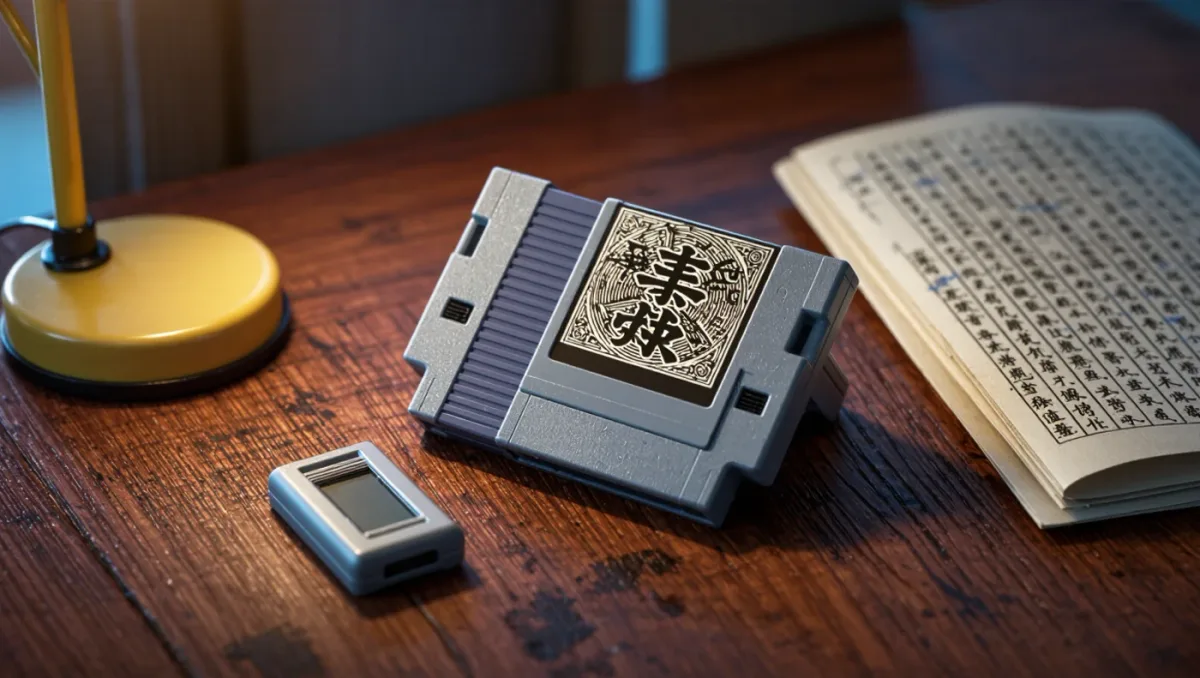
Mother 3 shipped in Japan on the Game Boy Advance in April 2006, earned critical acclaim, and was never released in North America or Europe. In 2008, a fan team led by the translator known as Tomato released a complete English patch — a full localization of a 30-hour RPG, produced over roughly two years, distributed free, requiring players to supply their own legally purchased cartridge to apply it. Nearly two decades later it remains the only practical way for most of the world to play one of the most requested games in its publisher's catalog.
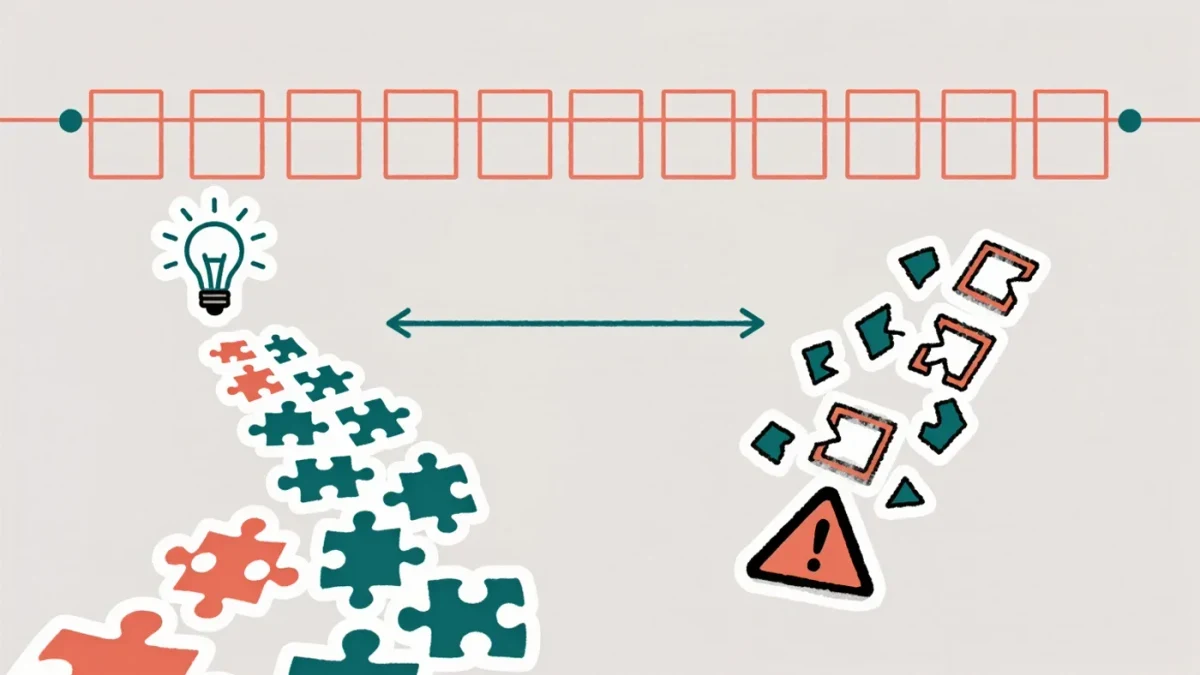
Every fan translation lives in the same contradiction: as a cultural act it is preservation and access; as a legal act it is unauthorized derivative work. Understanding both halves is necessary to any honest conversation about game preservation's gray zones.
What exactly is illegal about a fan translation?
The patch itself copies and modifies a copyrighted binary. Distribution of the patched ROM is straightforward copyright infringement; even the standalone patch is arguably an unauthorized derivative, and enforcement practice has followed that logic. The community's norms — patch only, never distribute ROMs, buy the original — are ethical conventions, not legal safe harbors. Publishers' positions vary: Nintendo's enforcement is famously broad, having taken down fan projects like AM2R (2016) and Pokemon Uranium (2016) near or after their releases, while some Japanese publishers have tolerated or absorbed popular patches when official localizations followed.
The asymmetry that defines the scene: the projects that most need preserving — games never localized, never re-released, stranded on dead hardware — are precisely the ones whose rights holders have no commercial reason to bless a patch and every legal reason not to. The law's remedy for this gap, the DMCA exemption process in the US, has repeatedly expanded museum and research carve-outs while leaving individual players outside them.
How good are fan translations, technically?
Often startlingly good, because the technical difficulty attracts specialists. A fan localization of a Super Famicom-era RPG requires: extracting text from proprietary encodings (some games use variable-length table systems documented by the hacking community over decades), rebuilding font and dialogue windows to fit English's longer strings, reverse-engineering compression, and translating with register awareness that rivals professional work. Projects have run for many years with dozens of contributors — the multi-year undertakings behind major JRPG patches are community institutions with their own documentation traditions.
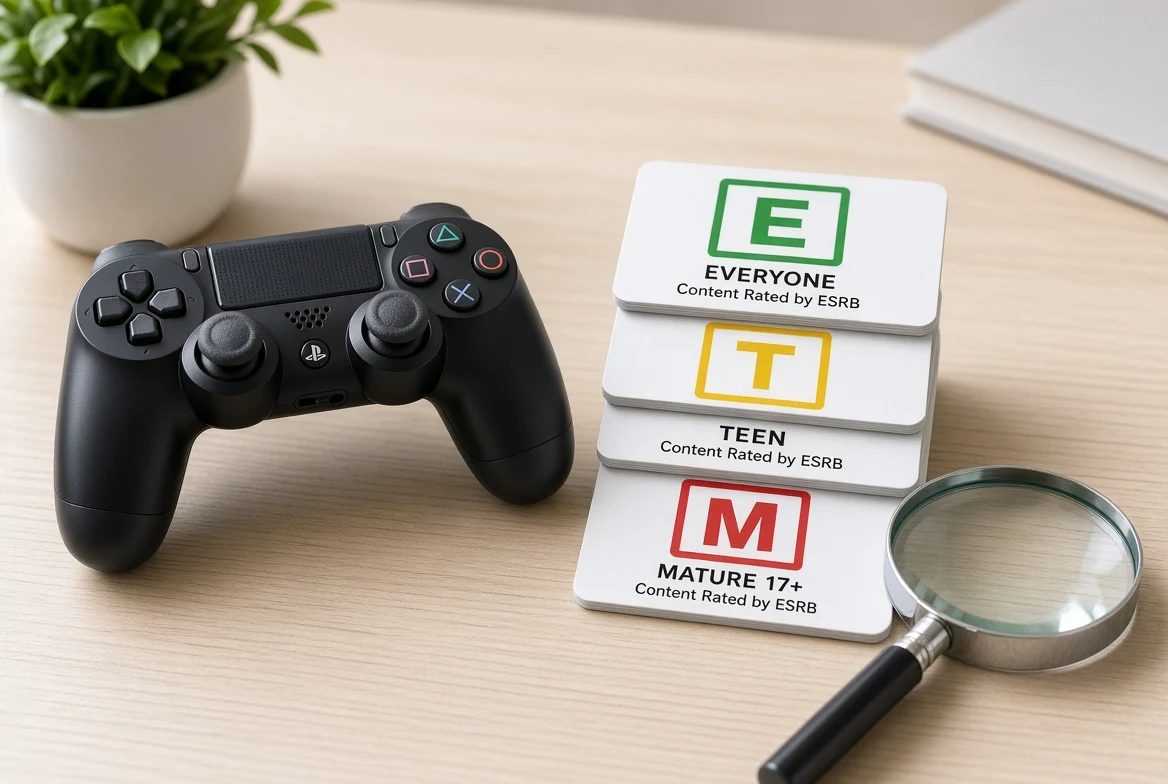
Quality control is where the two worlds genuinely differ: official localizations have rating compliance, QA passes and publisher accountability; fan patches have volunteer testing and community review. The record shows both failure and excellence, sometimes in the same project — which is why the community's own archives track patch versions and known issues rather than pretending to a professional standard.
What happens when a company localizes a game the fans already did?
The collision is now a genre of its own. When an official localization finally arrives for a long-patched title, the community response splits predictably: some fans re-buy the game they already played patched, some compare scripts line by line and publish the diffs, and the publisher faces an audience for whom the 'new' release is a decade-old experience. Publishers have occasionally leveraged the groundwork — official localizations arriving after fan demand was proven by patch popularity — but the informal norm is separation: official teams work independently, and takedowns of fan projects tend to cluster near official announcements, as several fan-game takedowns ahead of and after official remakes have shown. The economy is legible either way: fan patches function as unpaid market research, and everyone involved knows it.
Archive-side risks round out the picture. Patch hosting sites and translation-project forums operate under the same enforcement exposure as the projects themselves, and link rot across two decades of fan work is a preservation emergency in miniature: patches vanish, mirrors disagree, and version history — which version fixed which bug — exists only in forum threads. Community archives that catalog patches with hashes and changelogs are therefore doing documentation work that has no commercial analogue, and their fragility is the strongest practical argument for the institutional route. A patch stored in one volunteer's cloud drive is not a preservation record; it is a rumor with a checksum.
What should a player actually do?
- Buy the original media when it exists. Owning the cartridge or disc is the ethical floor of patch use and, increasingly, the preservation record itself.
- Prefer patches to ROM downloads. Applying a patch to your own dump keeps the legal act as close to personal use as the gray zone allows.
- Check the official catalog first. Subscription libraries and re-release collections have been absorbing formerly stranded titles steadily; the patch that was essential in 2010 is sometimes obsolete.
- Support the preservation organizations arguing for legal access. The Video Game History Foundation's availability research and exemption advocacy are the institutional path out of the gray zone; patches are the workaround, not the fix.
Verdict: fan translation sits at the exact point where copyright law, preservation need and fan labor fail to align — technically infringing, culturally load-bearing, and increasingly obsolete only as fast as publishers re-release their catalogs. Play the patches, own the cartridges, and watch the Copyright Office rulemakings: the day remote research access is broadly legal, this entire gray zone becomes a historical curiosity. Until then, Mother 3's patch is both the best way to play a masterpiece and the clearest exhibit of why the law needs updating.