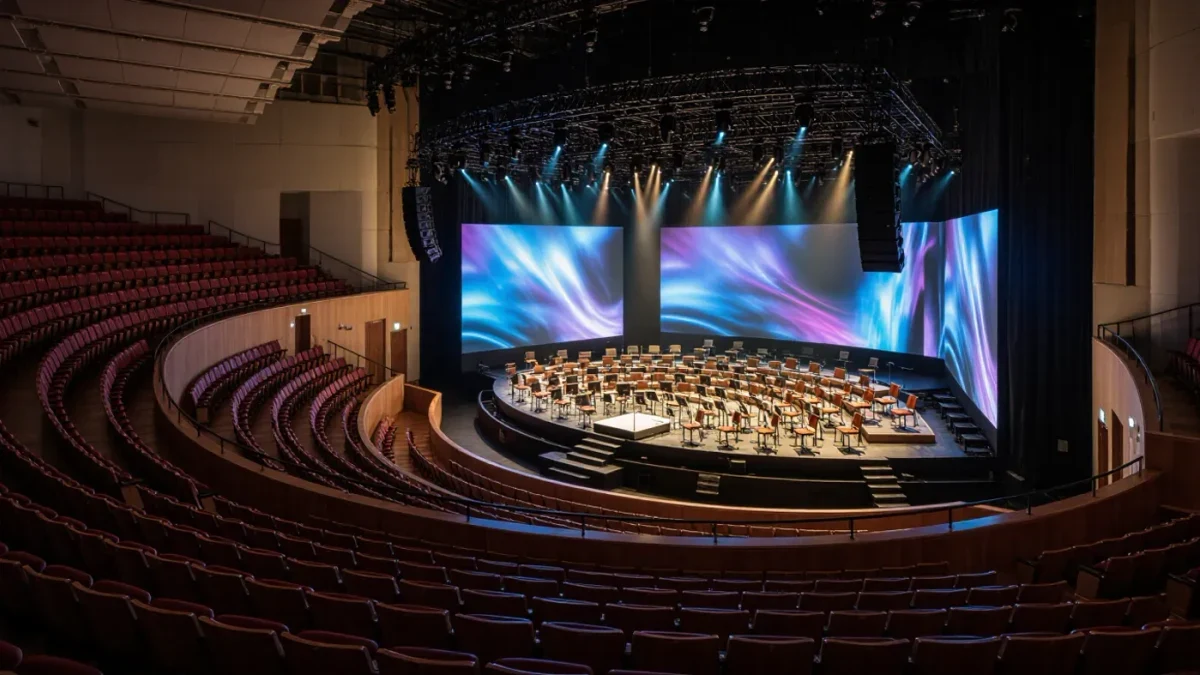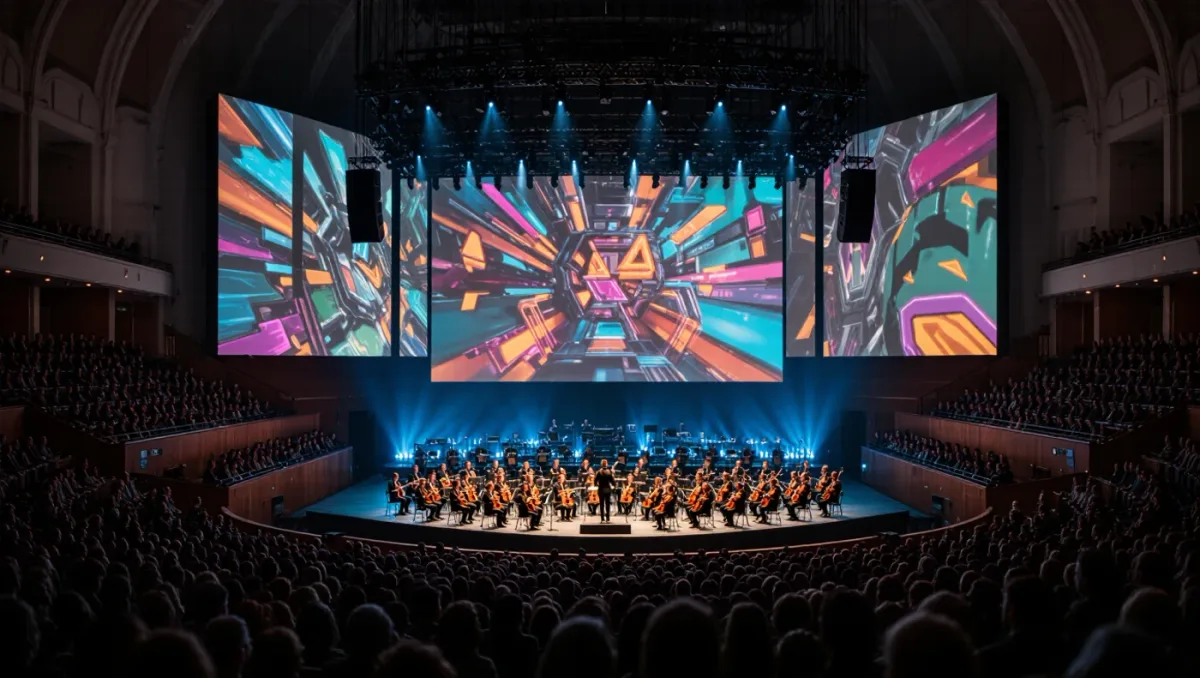
The concert began with a rising arpeggio and a choir, and the hall — several thousand seats — sold out. This scene repeats weekly somewhere in the world: Distant Worlds, the orchestral tour built on Nobuo Uematsu's Final Fantasy scores, has been touring internationally since 2007, performing in well over a hundred cities across multiple continents per its producers' records. Video Games Live, the game-music concert brand launched in 2005, accumulated hundreds of performances worldwide over its first decades. Game music did not just get popular; it built permanent institutional infrastructure — touring orchestras, dedicated record labels, charting streaming catalogs — and the economics behind that infrastructure explain what players are actually buying when they purchase a $60 vinyl box set.
How did game music grow into concert halls?
The canon assembled itself in three waves. The first was the chiptune-to-melodic era: Koji Kondo's Super Mario Bros. and Legend of Zelda themes (1985-1986) proved a four-note identity could outlive its hardware, and Uematsu's Final Fantasy scores demonstrated long-form emotional composition within severe cartridge limits — the famous technical constraints that gave the original Final Fantasy theme its arpeggiated structure, because the hardware could sustain so few voices.
The second wave was the CD era, which removed the storage ceiling and brought recorded orchestration into games themselves, training players to hear game scores as film-adjacent works. The third wave was institutional: the first official Final Fantasy concerts outside Japan mid-2000s, the Zelda anniversary symphony tours from 2011, and the gradual normalization of game scores in mainstream orchestra programming. Today a game-music concert is a reliable subscription product for orchestras — younger audiences, sold-out runs, and repertoire with built-in nostalgia value, which is precisely the demographic math classical institutions have spent decades chasing.
Why did vinyl become game music's home format?
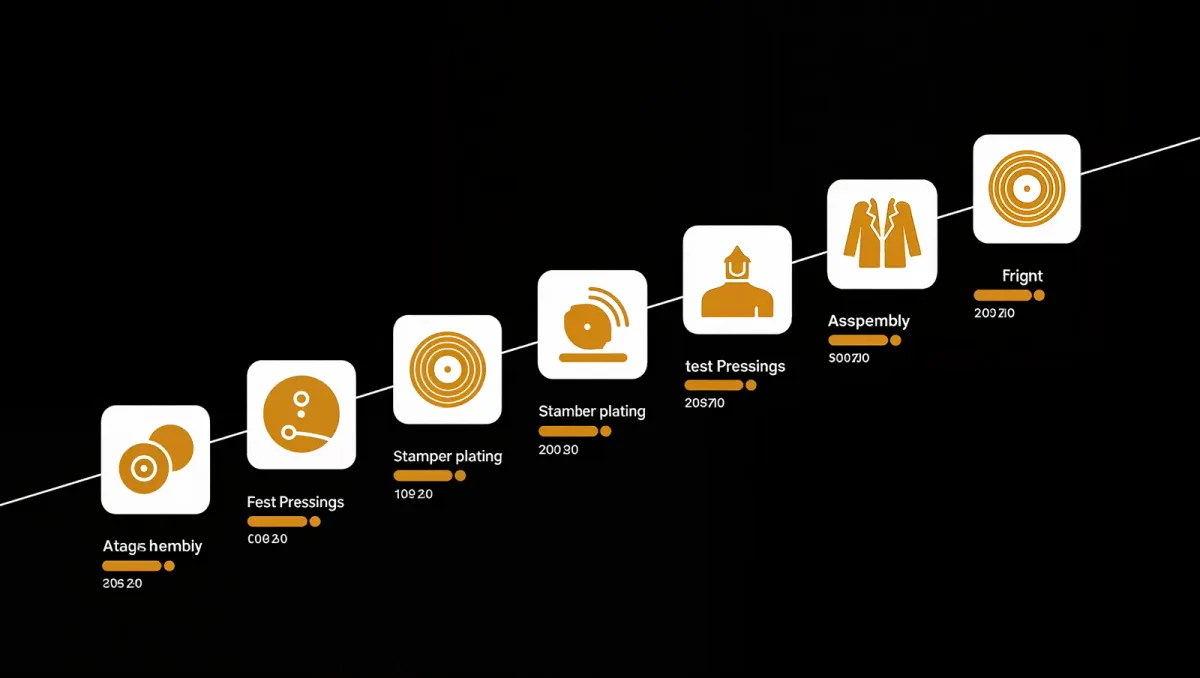
The vinyl revival met game music at a moment when both audiences wanted the same thing: physical artifacts of digital-native art. Dedicated labels built the category — iam8bit's deluxe game pressings, Laced Records' catalog work for major publishers, Materia Collective's community arrangements — with a shared playbook: heavyweight vinyl, commissioned cover art, lavish booklets, and limited runs that function as both albums and collectibles. Flagship box sets from major franchises routinely sell out in hours, and the resale market around them behaves like the rest of game collecting, premiums and all.
The format fit because game soundtracks were already collection-shaped: multi-hour, multi-disc scores from RPGs and epics map naturally onto box sets, and the listener relationship is archival rather than casual — people buy soundtracks to games they completed, not tracks they heard once. Streaming, meanwhile, took the audience-funnel role: the major franchise OSTs sit in the billions of cumulative streams, per platform-reported figures, functioning as both revenue and permanent marketing for the games themselves.
Who gets paid, and how much?
The economics have a dual structure worth understanding as a listener. For AAA franchises, the soundtrack is a marketing asset first — publishers license it to streamers and labels because OST streams sell games, and composer royalty arrangements vary enormously by contract, which is why the industry's composer advocacy conversations keep returning to work-for-hire terms. For the independent tier, the soundtrack is a revenue pillar: an indie studio's OST on Bandcamp and vinyl can outearn the game itself over time, and composer-name marketing — a known artist attached to a small game — measurably moves wishlists.
Concert economics follow the same split. Licensed touring productions like Distant Worlds operate with publisher cooperation and rights management, while community and symphonic arrangements live in a licensing gray zone that has grown more formalized as publishers recognized concert revenue. The industry trend over the last decade is consistent: publishers went from tolerating game-music performances to operating them as a business line.
The collectible tier also has its history-of-the-format edge, and it prices accordingly: original pressed OST CDs from the 1990s, particularly Japanese-only releases of landmark RPG scores, trade like the cartridges they accompanied, and the first-run vinyl of breakout indie scores has already produced the familiar sell-out-then-premium arc this site documents elsewhere in collecting. The difference is velocity: a soundtrack's scarcity window is shorter than a game's because runs are smaller and demand is concentrated in the months around a game's cultural peak. Practical translation for collectors who came from games: the discipline is identical, the calendar is just faster.
What should a new listener actually collect or attend?
- Start streaming, not buying. Every major franchise OST is on the streaming services; the collection instinct makes sense after you know which scores you return to.
- For concerts, book the licensed tours first. Distant Worlds and similar official productions deliver the full-scale orchestral program; local symphony game-music evenings vary widely in quality and licensing.
- For vinyl, buy on pre-order from the label. Sellouts in hours mean the aftermarket premium is the price of hesitation, and label pre-orders include the digital release almost always.
Verdict: game music grew from a technical workaround into a full cultural institution — concert halls, dedicated labels, billion-stream catalogs — and the collector's market around it behaves exactly like the hardware and cartridge markets this site covers: scarcity plus fandom plus finite runs. Should you collect the vinyl? Only after the streaming data says you will still love the score in a year; the boxes will always outlast the hype cycle, but they will also always cost more after the pre-order closes.