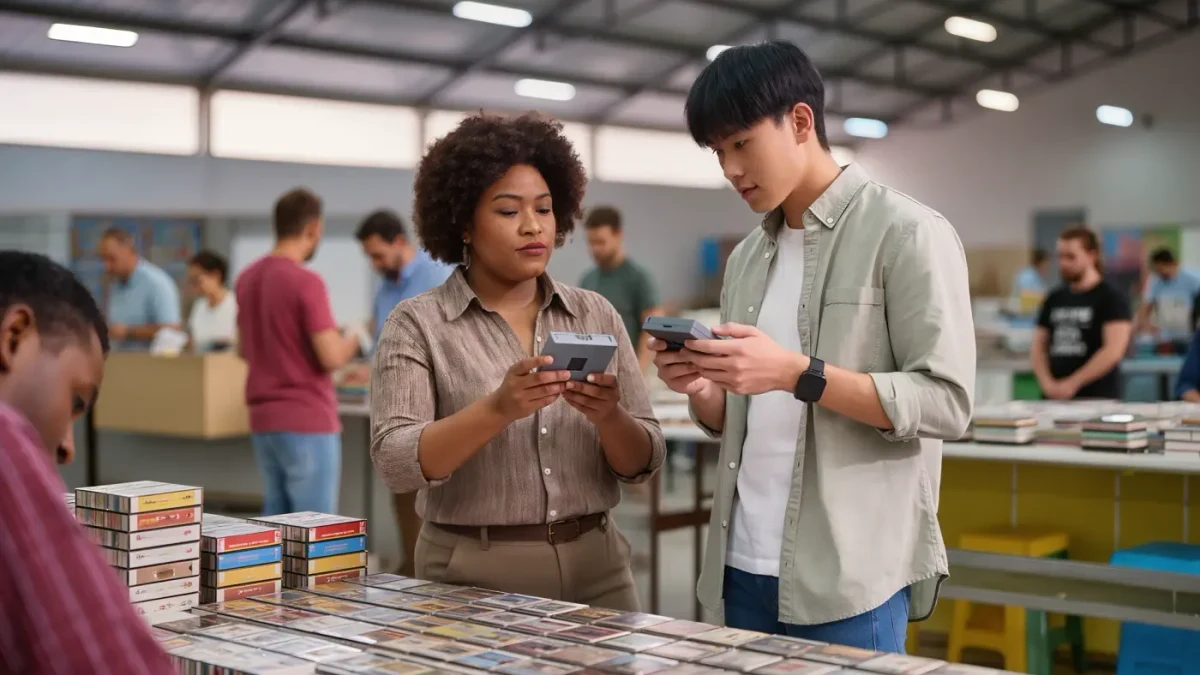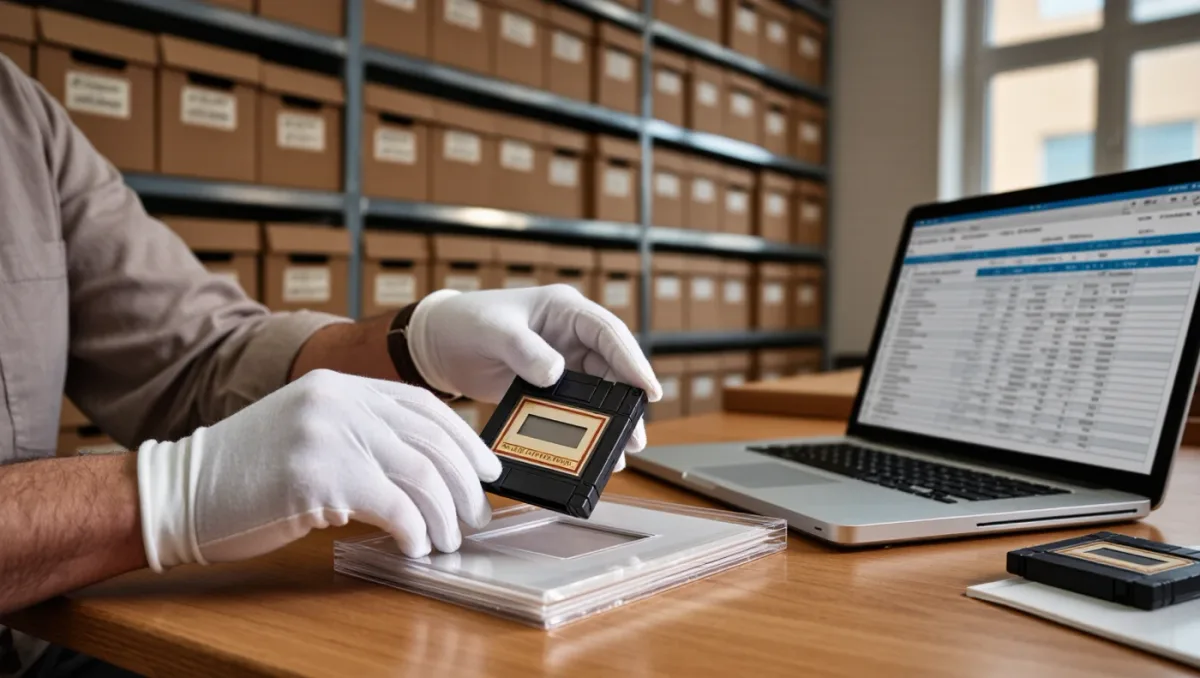
Film historians argue about how much of the silent era survived; the number is around 14 percent. For video games the comparable figure is worse. When the Video Game History Foundation published its Game Availability Study in July 2023, it found that 87 percent of classic games released in the United States before 2010 are critically endangered — out of print, unavailable on any storefront, and legally playable by no means other than physical hardware and secondhand media. The study covered roughly 1,500 titles with a 2.5 percent margin of error at 95 percent confidence, per the foundation's methodology.
That makes commercial game availability lower than almost any other medium's historical record, and the people trying to close the gap are doing it against copyright law as much as against time.
What did the VGHF study actually measure?
The foundation, a non-profit research organization led by director Frank Cifaldi, sampled games released in the US before 2010 and checked each against every legal avenue a player has today: digital storefronts, subscription libraries, re-releases and remasters. The 13 percent that remain in release skew heavily toward Nintendo's first-party catalog and a handful of perpetual sellers; almost everything else — licensed games, mid-budget titles, entire platform libraries — exists only on original cartridges, discs and aging consoles.
Availability was low across every platform and time period in the study, not just for obscure pre-crash titles. The foundation's explainer emphasizes the structural point: unlike film or music, no institutional archive can legally lend or exhibit most games, because the Digital Millennium Copyright Act's anti-circumvention rules treat emulation and remote access as legal gray zones that libraries avoid.
Why can't libraries just archive games like films?
Film libraries preserve prints under long-standing exceptions; software has no equivalent framework of comparable scope. US copyright law does allow libraries and archives to make preservation copies of software, but the Copyright Office's DMCA triennial rulemaking has repeatedly refused a broad exemption for remotely accessing those preserved copies, citing industry objections that remote lending competes with re-releases. The result is a legal paradox: copies can exist, but the public can mostly never reach them.
The foundation has petitioned in successive rulemaking cycles, most recently arguing that remote access restricted to on-premises research defeats the purpose for most scholars. Industry groups, including the Entertainment Software Association, have countered that licensing programs and re-releases already serve demand — the very 13 percent figure shows how much of the catalog those programs do not reach.
Who is actually doing the preservation work?
Four groups carry most of the load:
- The Video Game History Foundation, which builds a physical research library of materials — source code, design documents, press kits, marketing assets — alongside its advocacy, including recovered design documents and marketing materials its team has surfaced publicly.
- The Strong National Museum of Play in Rochester, New York, whose International Center for the History of Electronic Games holds one of the largest public collections of games and hardware and lends nothing remotely, but preserves physically.
- Museum of Art and Digital Entertainment (MADE) in Oakland, which runs playable archives under a library-style model challenged by the same DMCA constraints.
- Informal and gray-zone efforts — dumping projects, redump verification groups and emulation communities — which have quietly preserved far more software than any licensed institution, at whatever legal risk the label implies.
Do re-releases actually help, or just the hits?
Re-release programs are real and growing. Nintendo Switch Online's subscription libraries, Sega's and Capcom's numbered collections, and emulated classics on PlayStation Store have put thousands of older titles back into circulation. But the commercial logic of collections selects for the same bestsellers: a Capcom fighting anthology sells on Street Fighter name recognition, not on rescuing the tail of a 1990s catalog. The study's core finding is precisely that the market-based model reaches 13 percent. Everything without marketing value has no business case for rescue, which is the textbook definition of a market gap.
Physical media adds its own deadline, covered in our media-longevity breakdown: flash-based cartridges from the Game Boy Advance and DS eras hold data for decades, not a century, and disc rot claims pressed optical media stochastically. The pool of playable originals shrinks every year that passes without institutional access rights.
What can an individual collector actually do?
Three concrete actions, in order of usefulness:
- Dump and verify your own collection. A personal, checksum-verified archive of games you own is the single most durable act of preservation available to an individual, and it is the raw material every future legitimate distribution would need anyway.
- Support the institutions. The VGHF runs on donations and membership; so do the MADE and similar museums. Institutional budgets, not nostalgia, are what keep research staff employed.
- Buy re-releases when they happen. Sales data is the industry's argument for why collections are worth licensing. Every strong anthology proves the demand model that unlocks more catalogs.
There is also a quiet private-sector version of the problem. Publishers themselves lose assets: source code, original masters and localization files have been mislaid by studios big and small, which is why some remasters are rebuilt from retail ROMs. Preservation, in other words, is not only about keeping old games purchasable — it is about keeping the industry's own production records from evaporating between console generations.
Verdict: the preservation gap is not a doom narrative, it is a status report: 87 percent of pre-2010 US releases are currently unreachable by legal means, per the VGHF's 2023 study. Watch the Copyright Office's triennial rulemaking for the remote-access exemption — it is the single decision that would change the math for libraries, and it recurs every three years.