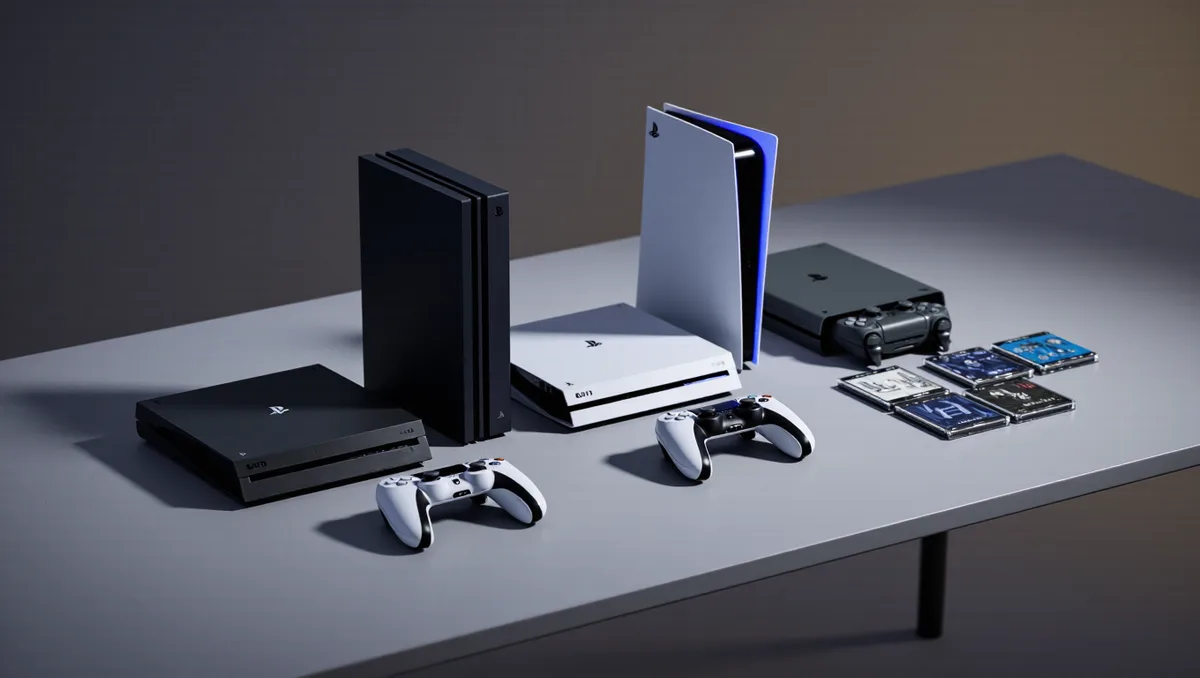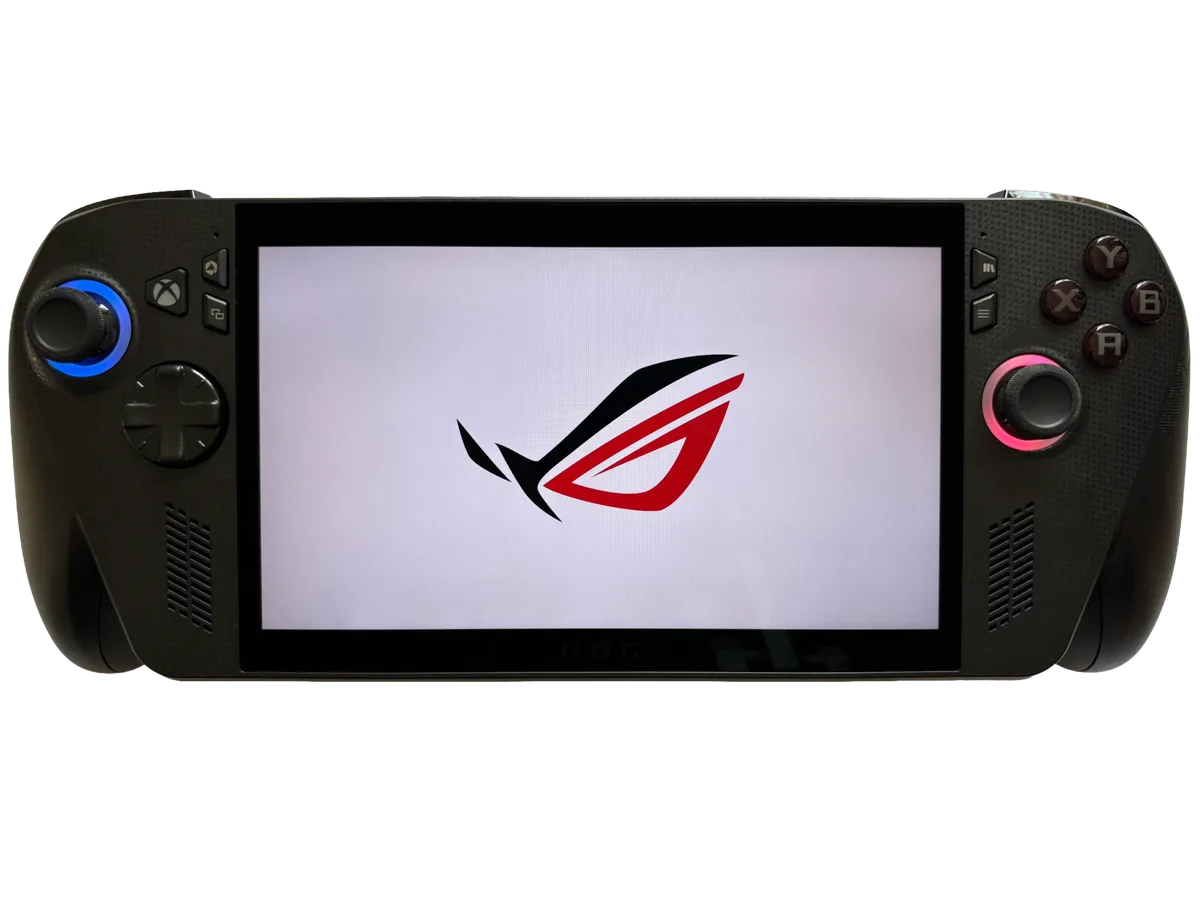
For decades the boundary was clean. A console lived under the TV. A gaming computer sat on a desk, and a handheld console carried small games in your pocket.
That tidy map no longer matches the hardware. Devices that look like handheld consoles now run full PC software, dock like home machines, and tap the same libraries as a desktop. The categories are collapsing into one.
What Made a Handheld a Console
A handheld game console is a small, portable, self-contained machine with a built-in screen, game controls, and speakers in one unit. You carry it, and you can play it at any time or place.
Nintendo popularized the concept with the Game Boy in 1989 and continues to dominate the handheld market. The Nintendo DS, released in 2004, popularized touchscreen controls and became the best-selling handheld console with over 150 million units sold worldwide. For related coverage, see Nintendo Switch 2 Setup Guide: 9 Things to Do Before You Load a Single Game.
A Short History of Going Portable
Portable play started with single-game toys. Mattel released its first handheld electronic game in 1976, and Merlin, the first commercially successful handheld console, followed in 1978.
The Microvision in 1979 was the first handheld with interchangeable cartridges. Nintendo’s Game & Watch series arrived in 1980, and the Game Boy pulled the whole idea together a decade later.
The Switch Blurred the First Line
The Nintendo Switch pushed further: it is a hybrid console that works in a handheld form or inserts into a docking station attached to a television. Detachable Joy-Con controllers turn it from a portable into a traditional gamepad.
Its direct successor, the Switch 2, released in June 2025, keeps the same hybrid design. The wall between pocket play and living-room play was gone.
Enter the Handheld Gaming PC
The Steam Deck went a different route. Valve’s device runs SteamOS, a tailored distribution of Arch Linux, with a compatibility layer that lets most Microsoft Windows games run on the Linux-based system. It is built on standard PC hardware and can even reach a desktop environment. This connects to our earlier piece, Switch 2 vs Steam Deck vs ROG Ally: Which Handheld Actually Fits Your Library?.
For that reason these devices generally are not called consoles. The common label is handheld gaming computers, and it is the more honest name: they are not restricted to running software provided by the vendor.
Why the Difference Matters Less Now
A gaming computer, technically, is any computer built around a CPU with a graphics accelerator card, a good amount of high-performance RAM, and fast storage. Modern handhelds meet that definition. They run PC stores, accept PC peripherals, and update like PCs.
Consoles have drifted toward the PC world too, with digital storefronts and easier cross-platform releases. The practical question is no longer what kind of machine you bought, but which library and which screen you want.
What to Weigh Before You Buy
Handheld PCs trade flexibility for compromises. Limited space constrains cooling and upgrades compared with a desktop, where large chassis allow more fans and easier part swaps. If you want a fixed, simple library with a controller in hand, a traditional console still does that job well.
If you want one device that plays your PC library on a couch, a plane, and a dock, the new handhelds are exactly that.
There is a practical payoff to all this convergence. Games bought on a PC store can follow you from desk to dock to airplane tray. A save file that syncs makes the device almost irrelevant. That was the promise of the cloud era, and the hardware has finally caught up to it.
The old categories still help when you compare products. They tell you who builds the machine, what software it runs, and who fixes it when something breaks. They just no longer tell you where you are allowed to play.
Conclusion
Handheld PCs did not kill the console idea. They absorbed it. The self-contained portable now runs full PC software, and the line between the two categories is mostly a marketing choice.